
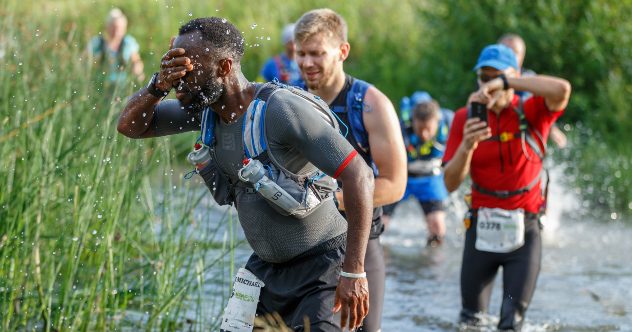
Most people are familiar with the concept of a marathon. A race that covers a distance of more than 26 miles (41.8 kilometers). Sounds pretty extreme, right? For those who think that 26 miles is not enough, there is an even longer race, an ultramarathon. An ultramarathon is any race that is technically longer than a marathon, but many ultramarathons are 50 miles (80 kilometers) or more. As such, these races are even more intense and potentially dangerous than traditional marathons.
Our bodies react in strange ways as we travel that kind of distance. Below, we’ll look at ten things that happen to your body during an ultramarathon. So drink some water, stretch your calves, and get ready to look at the crazy things that can happen to your body during an ultramarathon.
Related: 10 Surprising Ways to Hack Your Body
10 Pain (DOMS)
The first item on our list is probably not that surprising. After all, pain is a typical response to any exercise. However, the pain associated with ultramarathons can be particularly intense. Ultramarathon runners — sometimes called ultra runners — experience an extreme type of pain called DOMS (delayed onset muscle soreness). This means ultra runners will have delayed soreness that can last for days or even weeks after a race.
This is due to hours (several hours) of eccentric contractions. The pain typically manifests in the lower leg, but in other cases, runners may ache in their knees, hips, or feet. Professional runners have to deal with pain during and after the ultramarathon.
If you’re planning to run an ultramarathon, plan to be sore. As a result, our bodies are not built to run such distances, and there is no way to prevent leg fatigue (and the resulting pain) in an ultramarathon.
9 bubbles
Blisters are a common problem as extreme runners continue to push themselves physically. Think about it, these runners are sweaty and moving fast. Even the best shoes and socks in the world will have some friction. Add to that the possibility of sweat (or even rain or puddles) getting into your shoes, and you have a surefire recipe for blisters. Blisters routinely occur on the toes, ankles, and heels of ultramarathon runners.
Unlike pain, blisters can be avoided if the runner is prepared. Some runners try to fight blisters by taping their feet before running. Other runners may try to avoid painful blisters by changing socks, shoes, or other clothing during the race.
If you’re considering an ultramarathon, it’s crucial to be aware of humidity, temperature, and other conditions. This will allow you to plan for your run to be as pain-free (hopefully blister-free) as possible.
8 Cardiac Issues
Exercise is supposed to be good for your heart, right? Regular exercise can improve your heart health and even reduce your odds of developing cardiovascular disease, but ultramarathons are not regular exercise. They are… ultra. During these long races, your heart gets extremely tired.
In general, this type manifests itself in one of two ways. If you run or become dehydrated when it’s very hot, your heart rate may increase. On the other hand, if you are extremely tired, your heart rate may actually drop. Neither is ideal.
After an ultramarathon, runners often experience dizziness. In extreme cases, even runners faint. This occurs when blood flow to the heart is disrupted. Experienced ultrarunners can monitor their heart rate via a smartwatch to avoid this problem. If that’s a little too tech-demanding for you, maintaining proper hydration levels can help you prevent (or avoid) these dangerous heart problems in the long run.
7 Hyperthermia or Hypothermia
Because ultramarathons are so intense, your body can react in two different ways, depending on the circumstances. You may experience hyperthermia (a condition where your body temperature is much higher than normal) or hypothermia (a condition where you have an abnormal, dangerously low body temperature). This shows once again how difficult these races can be.
Hyperthermia occurs for runners when the weather is particularly hot. May cause headache, blurred vision and dizziness. Runners with hyperthermia can stop sweating altogether, which is a very dangerous sign. The worst cases of hyperthermia can cause heat stroke.
The other extreme is hypothermia. As you can imagine, ultrarunners experience hypothermia when running in colder conditions. High altitudes, wind, snow or continuous rain can cause hypothermia. Extreme changes in temperature or altitude can cause hyperthermia or hypothermia. Hydration and proper equipment can help you avoid these potential hazards.
6 Foot pain
Running starts and ends with your feet. Every step you take, even on a normal day, involves complex movements of your feet. Feet have more than 100 moving parts. With every stride (and there are many) during an ultramarathon, you’re putting significant pressure on your feet. Because of this, ultrarunners are susceptible to foot pain and foot injuries.
Distance runners deal with a variety of foot injuries, including plantar fasciitis (grass toe), Achilles tendonitis, stress fractures, Metatarsalgia, and more. Experienced runners have a variety of techniques to use to reduce these hazards, such as:
- Using properly fitting shoes and socks
- Bring an extra pair of socks
- Stretching properly before an ultramarathon
- Monitoring for any foot or lower leg pain
Even the most attentive and well-trained distance runners still suffer from foot pain. While it is painfully inevitable, be sure to consider your long-term health before pushing it.
5 weight loss
It can’t all be bad, can it? Ultramarathons will cause you to lose a lot of weight and quickly. Although it is an extremely difficult way to lose a few pounds quickly. The average ultramarathon runner loses four to six pounds in a single race. Wow. However, it is not usually a permanent loss.
Runners who complete an ultramarathon sweat profusely. Despite their best efforts to rehydrate, ultrarunners are typically severely dehydrated by the end of the race, so this weight loss is often considered “water weight” lost as sweat.
It doesn’t seem like many runners can do anything to prevent weight loss (though proper hydration is always a good idea during any run). Usually, your weight stabilizes after about a week of a typical diet. While it may be the hardest way to lose weight, at least it’s effective!
4 Glycogen Consumption
Glycogen is how our body stores glucose (our main energy source). It is stored in skeletal and hepatic muscles. When the glycogen in our body runs out, we run out of energy. This can happen in two ways: from a lack of calorie intake or from intense exercise. When our body’s accessible energy is depleted, we take advantage of our glycogen reserves. When your body runs out of glycogen, you may feel:
- “You look like you hit a wall”
- Overstrain
- Exerting excessive effort to keep running
Because ultramarathon runners typically burn more than 400 calories per hour, glycogen depletion is a serious concern. You can avoid some of the problems with glycogen depletion by eating plenty of carbs right before the big race.
3 An Upset Stomach
Well, I said take lots of carbohydrates, didn’t I? It’s important to keep things logical on the path to your race. Otherwise, you could be dealing with another common ailment for extreme runners: nausea. In general, before a race, ultramarathon runners should avoid consuming:
- Caffeine, including coffee, tea, and soda
- All dairy products
- Spicy or unknown food
- Beans, legumes, and other high-fiber foods
Any of the substances in the above list can irritate your digestive system. Imagine your stomach (and its contents) rising and falling as you run. Stomach pain can manifest itself in a variety of ways. The most common are called runner trots. This is the urgent need to defecate (poop) during or immediately after a run.
Other runners may experience nausea, while others may experience stomach cramps. You need your body to get you through the race, so make sure you’re fueling at the right intervals and at the right intervals, or you may not make it.
2 Joint pain
Joints are small points in our body where our bones come into contact. As you can imagine, an ultramarathon puts a strain on all your joints, especially those below the waist. The most common joints where extreme runners experience pain are their hips, knees, spine, ankles, and toes.
Joint pain is common for marathon runners, but the greater the distance, the greater the risk for participants. While this is painfully unavoidable, it’s interesting to note that most joint pain occurs on the downhill parts of a race.
one lack of sleep
You can refuel with a small snack or rehydrate with a quick sports drink, but there’s no way to take a nap during an ultramarathon. Because of this, most runners experience sleep deprivation and associated symptoms.
Ultramarathons often take 24 hours or longer to compete. It is natural for the body to want to sleep at this point. This can manifest itself in several ways; Dizziness is a common complaint when other runners experience disorientation. Some ultramarathon runners may even experience hallucinations in the most extreme cases.
Getting proper sleep before a race may make you feel more prepared, but all runners will have to deal with the dangers of sleep deprivation at some point during the ultramarathon. The good thing is, it gives you something to look forward to: Imagine how well you’ll sleep after the race!
Aucun commentaire
Enregistrer un commentaire