
CNN
–
Behaviors that have helped protect us from Covid-19 over the past 2½ years – quarantines, physical distancing, wearing masks, washing hands – are likely behind the “unprecedented” early rise in RSV infections this year, scientists say.
These factors may also have derailed other seasonal respiratory viruses around the world.
“As long as we have a record of RSV and other respiratory diseases in the United States, these have been very regular patterns of epidemics,” said Rachel Baker, an epidemiologist and assistant professor at Brown University.
“RSV occurs every year in late autumn/winter, and these outbreaks are mostly seen in young children. Then it disappears again in the spring/summer and reappears the next winter,” Baker said. “Very regular and predictable” – until it doesn’t.
Cases of RSV or respiratory syncytial virus in the United States began to appear in the spring and are now 60% higher than the peak week of 2021. It shows a CNN analysis, which is probably underestimated.
The number of flu cases across the US is also rising a little earlier than usual. A handful of schools saw huge absences, and medical offices say they’re seeing more people getting sick with other respiratory viruses at times that don’t fit the usual patterns.
Similar unusual patterns have occurred in respiratory tract infections. adenovirus, parainfluenza and rhinovirus in other countries.
Scientists think that the unique actions of the pandemic have unique effects.
Associate professor in the Colorado Children’s Hospital Department of Pediatrics, Dr. “The degree of societal change that has occurred with the Covid pandemic is truly unprecedented in the modern age,” said Kevin Messacar.
Like Covid-19, RSV and flu are spread through droplets released into the air when people cough or sneeze. Droplets also linger for hours on frequently touched surfaces such as doorknobs and light switches.
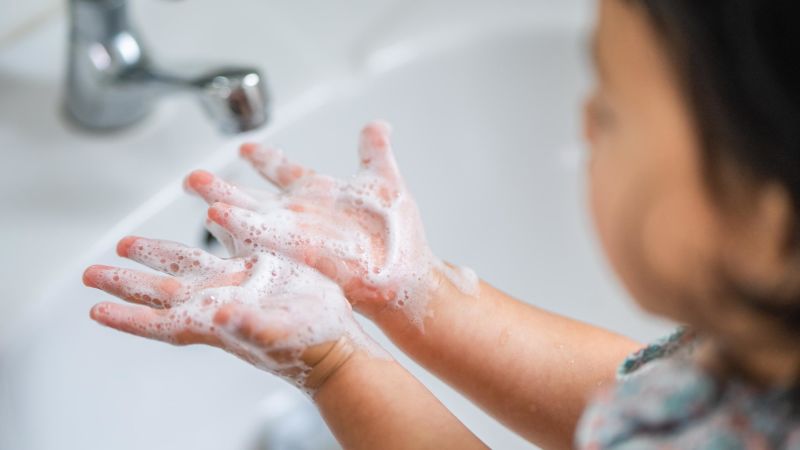
People who wash their hands and disinfect surfaces, wear masks and keep their distance from others have done more than stop the spread of the coronavirus.
“While these interventions have been great at limiting the spread of Covid-19, they have also done a really good job at limiting the spread of other respiratory diseases such as RSV and flu,” Baker said. Said.
Research has shown a sudden drop in RSV cases and hospitalizations in the 2020 and 2021 seasons, and unusually domesticated flu seasons.
“It was really striking,” Baker said.
But as Covid-19 vaccines and treatments become available, more people are returning to school and working and interacting without masks. They also began to share microbes.
The behavior of the pandemic has created an “immune deficit” or “immune debt” in the US that has made more people vulnerable to diseases like RSV.
Children form natural immunity to viruses when exposed to them. The U.S. Centers for Disease Control and Prevention says most children get RSV at some point before they reach age 2. Newborns receive passive protection from their mothers, who pass antibodies through their breast milk.
But for several years, there was little opportunity for children born during the pandemic or the people around them to contract RSV or other viruses for that matter. Their immunity is reduced or not formed at all. Therefore, when these minors and their parents started interacting with others, they were more likely to get sick.
“Less exposure to endemic viruses created an immune deficit—a group of susceptible individuals who avoid infection and therefore lack pathogen-specific immunity to protect against future infections,” Messacar and Baker wrote in a review published this summer in The Lancet medical journal.
They have warned hospitals that they need to stay flexible and be prepared for unpredictable respiratory illness seasons because of this gap.
“We knew these diseases would come back,” Messacar told CNN.
The comment warned of a stream of infections that would include older children who were not exposed to the viruses and newborns whose mothers were unable to pass the antibodies because they had not come into contact with these microbes.
“Now we’re seeing that spreading really well,” Baker said. “And it doesn’t just surprise the kids it typically hits with its first-born cohort. It also creates infections in older children.
“This is how infectious diseases work,” he added. “Once you have more cases, they create more cases and you get that increase.”
Baker and Messacar don’t think this early-season pattern in RSV is permanent, but it may take some time before it returns to its more predictable cycle.
“We’re in a bit of a strange time now, but we’re going to start seeing these regular outbreaks over the next few years – that is, depending on what happens with Covid,” Baker said. If the coronavirus gets bad enough to require further quarantines, it could once again eliminate the seasonality of other viruses.
Messacar said there are more variables involved with viruses like the flu.
There is no vaccine to prevent RSV, but there is for flu, so if the flu vaccine is a good match for the circulating strain and enough people get it, the country can avoid the spike in cases as it is currently seeing with RSV.
Scientists are working on an RSV vaccine, but this season will not come in time to help.
In the meantime, there are some things that can be done to limit the spread of RSV, and they will look very familiar.
Wash your hands. Keep frequently used surfaces clean. Sneeze or cough into a tissue or into your elbow rather than your hands. Strengthen your immunity by getting plenty of sleep and eating a healthy diet. Wear a mask, especially when you are sick. And most importantly, stay home if you’re sick.
“All of these non-pharmaceutical interventions clearly work, and the more we can do to reduce cases of any of these viruses, the better,” Baker said.
.
Aucun commentaire
Enregistrer un commentaire